|
Backflow
Backflow
 Backflow
Water quality is crucial for public health and safety. However, it is surprisingly easy for drinking water to be affected by contaminants.
It frequently happens when the water flow reverses, potentially contaminating the clean water supply. This is when backflow devices and testing
becomes indispensable.
|
Understanding
 Understanding
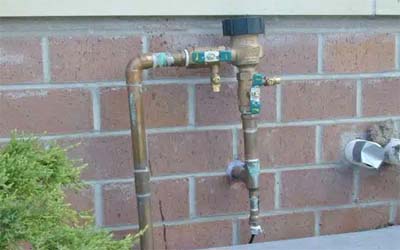
Backflow is a reversal of water flow in a plumbing system that can contaminate potable water. Reversal occurs due to a sudden change in
water pressure. Causes may include a burst pipe, firefighting activities, or even routine maintenance work. Damage to the plumbing system
may also occur when you excavate during yard work or construction.
When backflow occurs, non-potable water from sources like irrigation systems, industrial processes, or even sewage flows back into the
clean water supply. This contamination creates health risks because it mixes harmful chemicals, bacteria, or other contaminants with
people’s water for drinking, cooking, and bathing. You may not be able to taste some of the odorless, colorless contaminants that exist.
|
Devices
 Devices
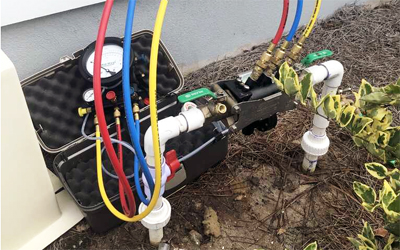
Backflow prevention devices play a crucial role in protecting public water systems from contamination. Here is why they are so important
in water districts:
- Protection of Water Quality: Backflow occurs when water reverses direction and flows back into the potable
(drinking) water supply, potentially carrying contaminants like bacteria, chemicals, and other harmful substances. Backflow prevention
devices stop this reverse flow, ensuring the drinking water remains safe and clean.
- Compliance with Regulations: Water districts are typically required to comply with local, state, and
federal regulations that mandate backflow prevention in certain settings (e.g., commercial, industrial, or residential properties
with specific risks). These regulations are enforced to maintain public health standards.
 Prevent
Cross-Connection Hazards: A cross-connection is a physical link between potable water and a
non-potable source (e.g., irrigation systems, industrial processes, sewage systems). Backflow preventers eliminate the risk of these
systems contaminating the clean water supply. Prevent
Cross-Connection Hazards: A cross-connection is a physical link between potable water and a
non-potable source (e.g., irrigation systems, industrial processes, sewage systems). Backflow preventers eliminate the risk of these
systems contaminating the clean water supply.- Public Health Protection: Backflow can carry harmful pathogens, chemicals, or toxins, which could lead to
serious public health issues, including waterborne diseases and poisoning. By preventing backflow, the devices help protect public
health on a large scale.
- System Integrity: Backflow can damage the infrastructure of a water district by introducing contaminants
that can corrode pipes, fixtures, and treatment facilities. Preventing backflow helps maintain the integrity of the water distribution
system.
- Cost-Effective: Preventing contamination through backflow devices can save money in the long run by avoiding
costly contamination cleanup, health-related issues, and legal penalties that could arise from failure to comply with health
standards.
If you think you are experiencing a Backflow issue or you have made changes to your water distribution
system, then contact A-Terry's Plumbing
today. Our team will handle testing your water distribution system and alleviate you of any worries and give you peace of mind the task will
be performed correctly in a timely manner.
|
Page Buttons
Company Information
|
Copyright © 2004- |
|
|
|
All Rights Reserved |
|
|
|